Understanding Offshore Business Formations: A Comprehensive Guide to the Refine and Benefits
Offshore firm formations offer a tactical opportunity for business owners looking for to maximize their service operations. These entities commonly offer benefits such as tax obligation benefits, raised personal privacy, and robust possession protection. Nevertheless, understanding the details of selecting a territory, the development process, and compliance requirements is crucial. As the landscape of worldwide organization develops, the implications of establishing an offshore company warrant careful factor to consider. What actions should one require to navigate this complicated surface?
What Is an Offshore Company?
An overseas firm is a service entity integrated outside the territory of its owners' residence, frequently in a country with favorable regulative and tax obligation settings. These firms can serve various functions, consisting of property defense, worldwide trading, and wide range monitoring. They are typically established in territories recognized as tax obligation places, where company tax prices are missing or reduced, and privacy legislations are rigid.
Offshore firms might be possessed by individuals or various other corporate entities and can run in different fields, including finance, consulting, and shopping. While they offer particular benefits, the regulative and lawful structures regulating offshore firms differ considerably by jurisdiction. Entrepreneur need to navigate these intricacies to guarantee compliance with both global and regional laws. Understanding the framework and function of overseas business is necessary for people considering this option for company procedures or asset management.
Advantages of Creating an Offshore Business
While the decision to develop an offshore business may stem from numerous calculated considerations, the possible benefits are engaging for several company owner. One considerable benefit is tax optimization; several offshore territories provide positive tax prices or perhaps tax exemptions, permitting companies to preserve more revenues. In addition, offshore firms commonly provide improved privacy defense, shielding the identities of investors and directors from public examination.
Business proprietors might discover functional flexibility, as offshore territories often have less regulatory difficulties, making it possible for streamlined monitoring and administration. Jointly, these benefits make offshore business formations an appealing option for lots of looking for to expand their organization horizons.
Selecting the Right Territory
Selecting the proper jurisdiction for an overseas company is a vital action in maximizing the benefits outlined previously. Different variables influence this decision, including tax guidelines, company laws, and the overall service environment. Jurisdictions such as the British Virgin Islands, Cayman Islands, and Singapore are frequently favored for their beneficial tax obligation routines and durable lawful structures.
It is important to take into account the particular requirements of the organization, such as privacy demands and governing conformity. In addition, the convenience of doing business, including the efficiency of business registration and banking centers, plays a considerable function.
Potential owners must additionally review the political security and track record of the chosen jurisdiction, as these elements can impact long-lasting success. Eventually, complete research study and expert assessment are recommended to guarantee placement with the firm's goals and to utilize the complete capacity of offshore benefits.

The Offshore Firm Development Refine
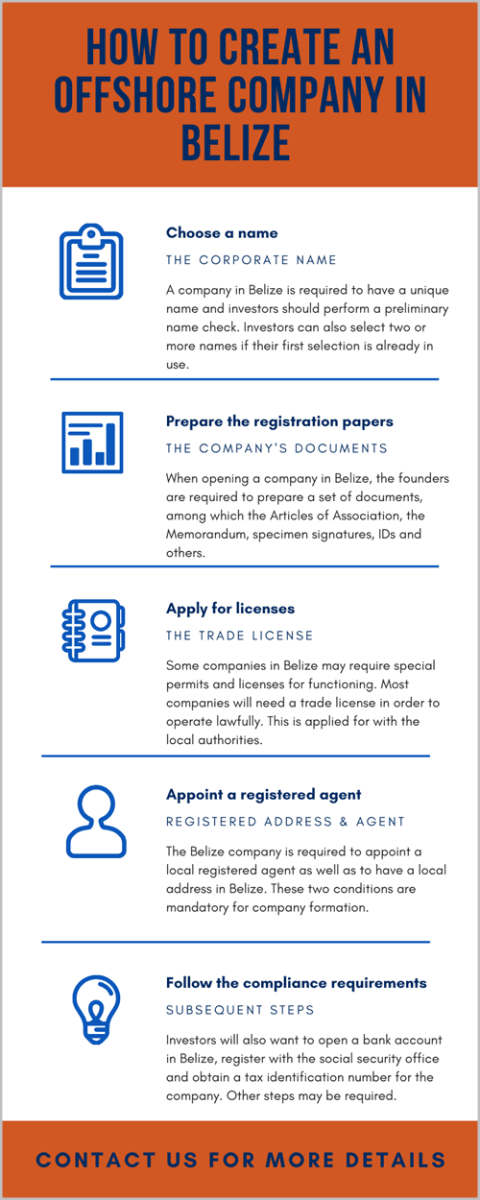
The overseas company formation process entails a series of crucial steps that call for cautious preparation and implementation. Originally, services or people must choose an ideal jurisdiction that lines up with their objectives, considering variables such as tax obligation benefits, personal privacy, and regulative setting. Following this, the next step requires picking the ideal organization structure, such as an International Company Business (IBC) or Minimal Responsibility Firm (LLC)
When the framework is established, essential files, consisting of an organization strategy, identification, and evidence of address, should be prepared. Involving a respectable regional representative or company can streamline this stage, ensuring compliance with neighborhood policies. After sending the called for documentation to the relevant authorities, the development process typically culminates in the issuance of a certification of unification. This document establishes the firm as a lawful entity, enabling it to perform company globally.
Legal Needs and Conformity
Understanding the lawful requirements and compliance commitments is crucial for anybody aiming to develop an offshore business. Each jurisdiction has details regulations that should be adhered to, which can consist of company enrollment, acquiring required licenses, and keeping local addresses. Offshore Company Formations. It is vital to appoint a signed up agent who can help with interaction with local authorities and guarantee compliance with ongoing coverage requirements
In addition, several jurisdictions need the submission of yearly economic statements, in addition to tax obligation filings, also if the business does not create earnings. Supervisors and investors have to be identified, with due persistance procedures usually mandated to validate their identities. Failure to meet these legal commitments can result in charges or the dissolution of the company. As a result, prospective overseas firm owners must consult with attorneys experienced in international business law to browse these complexities properly and assure complete compliance with all policies.
Tax Obligation Implications of Offshore Companies
The tax implications of overseas companies present substantial benefits that bring in several business owners. Understanding the associated conformity needs is necessary for navigating the complexities of worldwide tax obligation regulations. This area will certainly discover both the possible benefits and the necessary obligations connected to overseas service frameworks.
Tax Obligation Benefits Summary
Although overseas firms are typically watched with suspicion, they can provide significant tax advantages for businesses and people seeking to optimize their financial strategies. One of the primary advantages is the possibility for lower business tax obligation prices, which can result in substantial financial savings. Lots of offshore territories offer beneficial tax obligation regimens, including zero or minimal tax obligation on revenues, funding gains, and inheritance. Furthermore, overseas business can facilitate global company procedures by decreasing tax obligation obligations related to cross-border deals. This structure may also allow tax obligation deferral chances, allowing revenues to grow without instant taxes. Ultimately, these benefits add to boosted monetary effectiveness and property protection, making overseas firms an eye-catching option for savvy financiers and business owners.
Compliance Requirements Described
Offshore firms may offer tax obligation advantages, yet they likewise feature a set of conformity needs that need to be meticulously navigated. These entities go through specific reporting commitments, which vary substantially depending on the jurisdiction. Typically, overseas firms have to maintain accurate financial records and send yearly financial statements to conform with neighborhood regulations. Additionally, lots of territories require the disclosure of helpful possession to combat money laundering and tax evasion. Failure to comply with these compliance steps can lead to serious penalties, including fines and potential loss of company licenses. Comprehending the local tax laws and international contracts is necessary, as they can influence tax liabilities and general operational validity. Involving with financial and lawful experts is suggested to guarantee complete conformity.
Maintaining and Handling Your Offshore Firm
Keeping and taking care of an overseas firm includes adhering to different continuous conformity demands important for legal procedure. This consists of thorough monetary record keeping and an understanding of tax obligation commitments pertinent to the company's territory. Effective monitoring not only guarantees regulatory conformity yet additionally supports the firm's monetary health and longevity.
Continuous Compliance Requirements
Assuring ongoing conformity is crucial for any type of entity operating in the offshore industry, as failure to satisfy regulatory needs can result in significant fines and even dissolution of the firm. Offshore firms have to stick to local laws, which may consist of yearly declaring of financial declarations, repayment of necessary charges, and maintaining an authorized office address. Additionally, companies are typically required to assign a regional agent or representative to assist in communication with authorities. Routine updates on changes in regulations or tax demands are important for compliance. Furthermore, adherence to anti-money laundering (AML) and know-your-customer (KYC) regulations is vital. By preserving organized records and remaining educated, overseas business can assure they continue to be compliant and mitigate threats related to non-compliance.
Financial Record Maintaining
Reliable economic record maintaining is important for the effective monitoring of any offshore firm. Preserving precise and thorough monetary documents aids in tracking the company's efficiency, assuring compliance with neighborhood laws, and facilitating notified decision-making. Companies must execute methodical processes for documenting revenue, costs, and purchases to produce transparency and responsibility. Utilizing audit software program can streamline this process, enabling real-time monetary evaluation and coverage. Routinely reviewing financial statements assists recognize fads, assess success, and handle capital efficiently. In addition, it Extra resources is crucial to securely keep these documents to shield delicate information and guarantee very easy accessibility throughout audits or monetary evaluations. By focusing on meticulous monetary record keeping, overseas firms can enhance operational efficiency and support lasting success.
Tax Obligation Commitments Review
Recognizing tax obligations is important for the correct management of an overseas firm, as it directly affects financial efficiency and compliance. Offshore business may be subject to various tax obligation regulations relying on their jurisdiction, including corporate tax obligations, value-added taxes, and withholding tax obligations. It is necessary for local business owner to remain informed concerning their tax duties, as failing to comply can cause charges and legal problems. Additionally, many offshore jurisdictions use tax obligation rewards, which can significantly benefit services if browsed correctly. Involving a well-informed tax obligation expert or accountant specializing in international tax regulation can aid guarantee that firms meet their commitments while enhancing their tax strategies. Eventually, diligent tax administration contributes to the total success and sustainability of an overseas entity.
Regularly Asked Inquiries
Can I Open Up a Savings Account for My Offshore Firm Remotely?
The capacity to open up a financial institution account for an overseas business from another location depends on the financial institution's policies and the jurisdiction's regulations. Numerous banks provide remote services, however particular requirements might vary substantially between organizations.
What Are the Expenses Entailed in Developing an Offshore Business?
The expenses involved in developing an overseas business typically include enrollment charges, legal and consulting costs, and continuous maintenance fees. These expenses differ substantially based on territory, intricacy of the business framework, and specific services called for.
Are There Restrictions on That Can Be an Investor?
Limitations on investors differ by jurisdiction. Some nations may enforce limitations based upon citizenship, company, or residency kind - Offshore Company Formations. It's crucial for potential capitalists to research details guidelines suitable to their selected offshore location
Exactly how Long Does the Offshore Business Development Refine Generally Take?
The offshore firm development process generally takes in between a few days to several weeks. Elements affecting the timeline include jurisdiction requirements, file prep work, and responsiveness of relevant authorities entailed in the registration procedure.
What Takes place if I Fail to Abide With Neighborhood Regulations?
Failure to adhere to local legislations can result in extreme charges, consisting of fines, lawful activity, or loss of company licenses - Offshore Company Formations. It might likewise harm the company's reputation and hinder future organization opportunities in the territory
An overseas business is a company entity integrated outside the territory of its proprietors' house, typically in a country with beneficial regulatory and resource tax obligation settings. One substantial advantage is tax optimization; lots of overseas jurisdictions offer positive tax obligation prices or also tax exceptions, enabling business to preserve even more earnings. Overseas business are frequently checked out with uncertainty, they can provide considerable tax benefits for companies and people looking for to enhance their financial methods. Additionally, overseas business can help with global service procedures by decreasing tax liabilities connected with cross-border purchases. Offshore firms navigate to this site may be subject to numerous tax obligation legislations depending on their jurisdiction, including business tax obligations, value-added tax obligations, and withholding tax obligations.